A Ritual of Rhythm and Attention
There is a dance happening in the marsh, if you slow down enough to see it.
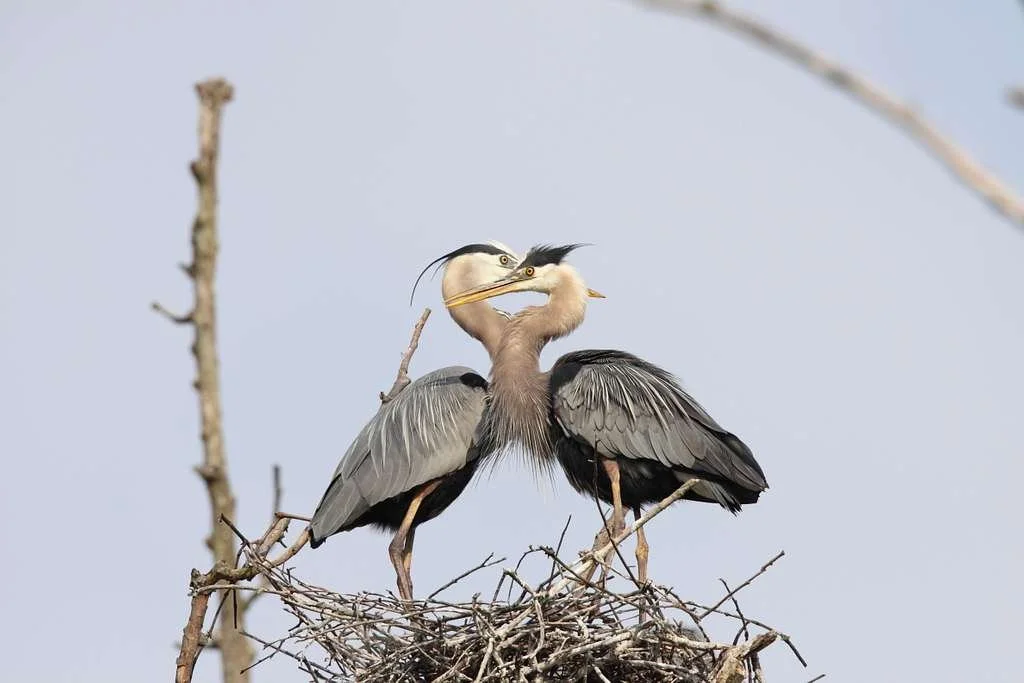
During mating season, Great Blue Herons perform an intricate courtship ritual made up of sweeping movements, mirrored gestures, and quiet exchanges. They stretch their long necks toward the sky, display their delicate breeding plumes, and sway in a rhythm that feels almost choreographed.
At first glance, these movements might seem like simple displays. But look a little closer, and you'll discover a fascinating interaction between two birds—one that reveals just how much beauty and complexity can exist in the moments we might otherwise overlook.
It's a reminder that sometimes, the most extraordinary things in nature aren't hidden at all. They're simply waiting for us to slow down and notice.
The Great Blue Heron Courtship Dance: A Surprisingly Cute and Graceful Mating Ritual
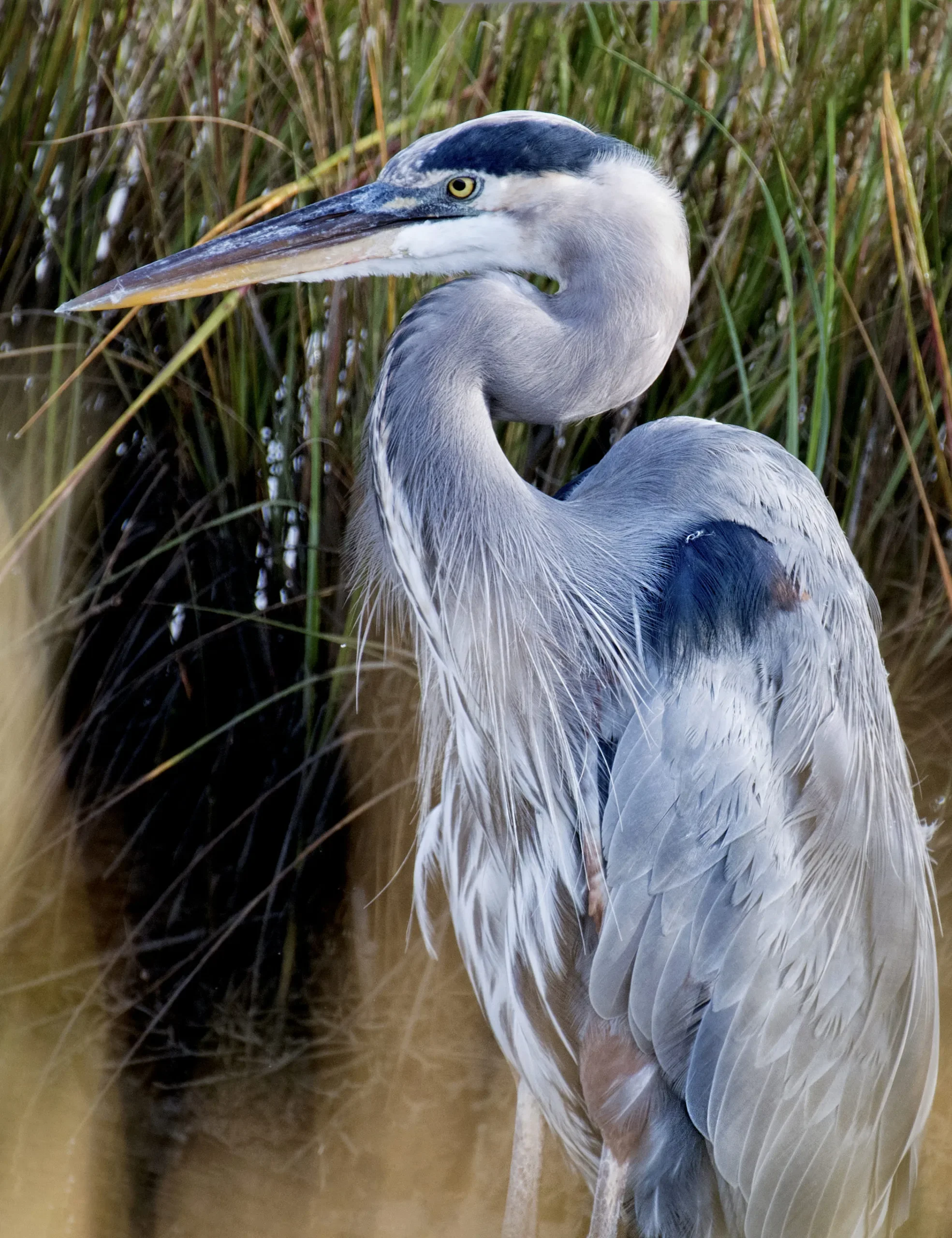
There is something unexpectedly charming about watching Great Blue Herons court one another. For such tall, long-legged birds, they can be remarkably graceful, moving with a delicate balance of elegance and awkwardness that I find especially endearing.
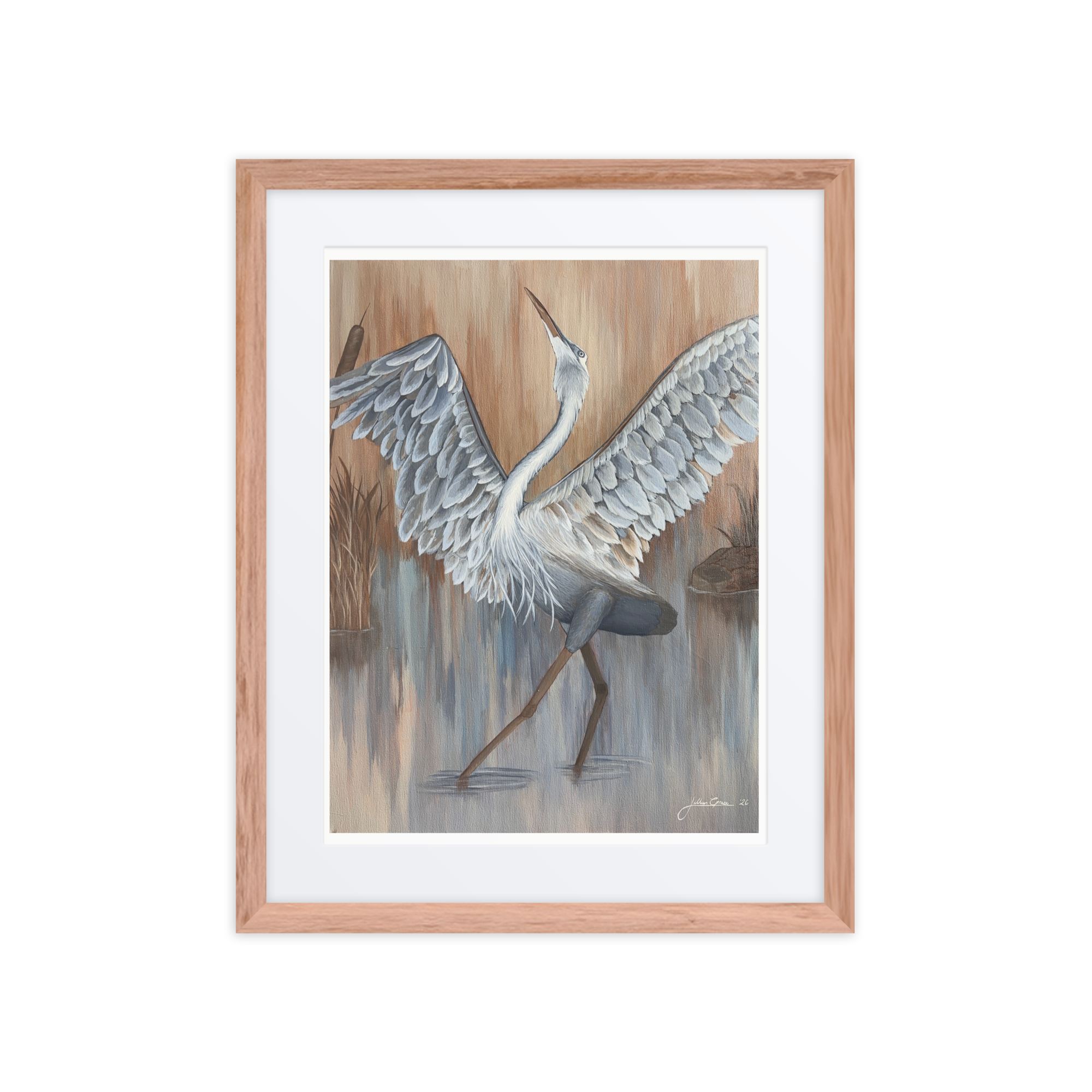
During the breeding season, Great Blue Herons perform an elaborate courtship display. They stretch their long necks toward the sky, raise their breeding plumes, and bow and sway in rhythmic movements. The two birds may mirror each other's gestures, exchange sticks, and snap their long orange bills together in a series of clicking sounds.
What I love most is how these grand, statuesque birds can seem almost bashful and playful as they interact. Their long necks curve and sway, their feathers fan out, and each movement seems to invite a response from the other. There is an unexpected sweetness to the ritual—a reminder that even the most familiar wildlife can surprise us when we take the time to look more closely.
What Great Blue Heron Courtship Can Teach Us About Communication, Boundaries, and Partnership
One of the most intriguing things about Great Blue Heron courtship is that it isn't simply a matter of one bird putting on a show. Their courtship involves a series of movements, signals, and responses, making the interaction between the two birds just as fascinating as the displays themselves.
Watching them, I find myself thinking about how much communication happens without words. A bow, a shift in posture, or a movement mirrored by another bird becomes part of an ongoing exchange. Their courtship is a reminder that communication isn't always loud or obvious. Sometimes, it means paying attention, responding to what is in front of us, and recognizing when to give another space.
There is something meaningful in the way these interactions unfold, too. Courtship takes place through repeated displays and responses rather than a single grand gesture. The birds' movements can invite further interaction, while changes in posture and behavior can signal a shift in the exchange. In observing them, we can reflect on the importance of boundaries in our own relationships: connection doesn't mean assuming what another needs, but learning to pay attention and respond with care.
Great Blue Herons also build nests and raise their young, with both parents contributing to the work of raising their chicks. Their family life offers another point of reflection: shared responsibility matters. Building and caring for something together takes participation, effort, and a willingness to contribute beyond the initial courtship.
Of course, wild birds aren't following human relationship rules, and their behavior isn't a blueprint for how we should live. But observing them can give us a fresh perspective on familiar ideas. Communication, respect for boundaries, and shared responsibility are not just concepts we discuss between ourselves; they are themes we can reflect on while watching the natural world.
Sometimes, looking closely at another species helps us see our own lives a little differently. And sometimes, that is part of the beauty of paying attention.
The Art of Noticing
The natural world is full of small wonders, from the graceful courtship dance of Great Blue Herons to the quiet details we might pass by without a second thought. The Art of Noticing reminds us that when we slow down and look closer, nature has so much to teach us—not only about the world around us, but about how we move through it.
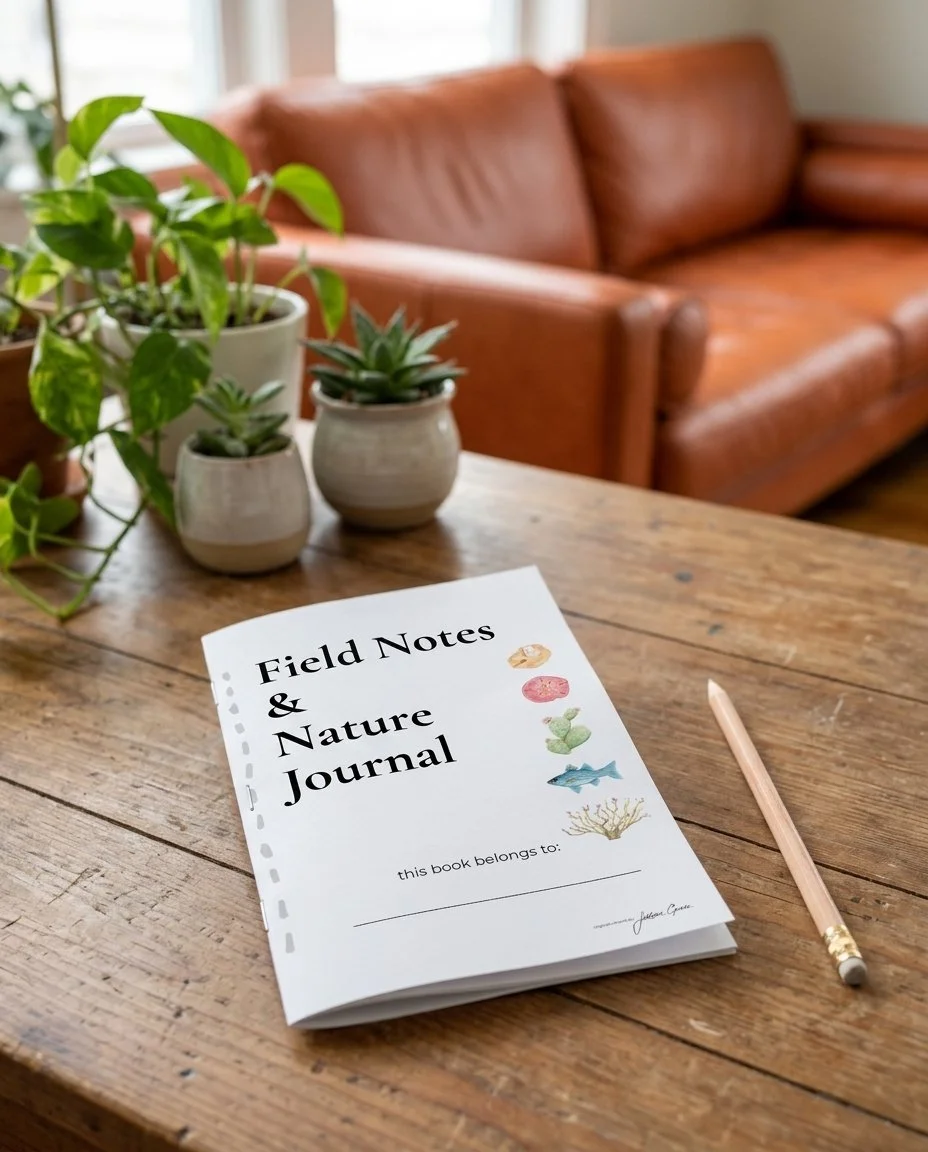
Ready to start noticing more? Download my free Nature Field Notes Journal to record your observations, explore your curiosity, and discover the beauty in the everyday. Let it be your invitation to slow down, look closer, and find wonder right where you are.
